
Transparency
Lanaya presents itself as a cooperative built on trust, openness, and clearer reporting to members and buyers.
Lanaya Cocoa Farmers Cooperative was built to organize producers, strengthen standards compliance, and create better outcomes for farmers and buyers across Kailahun District.
Loading…
Loading…
Loading…
The source materials highlight the values and operating posture the cooperative wants buyers to associate with its work.
Lanaya presents itself as a cooperative built on trust, openness, and clearer reporting to members and buyers.
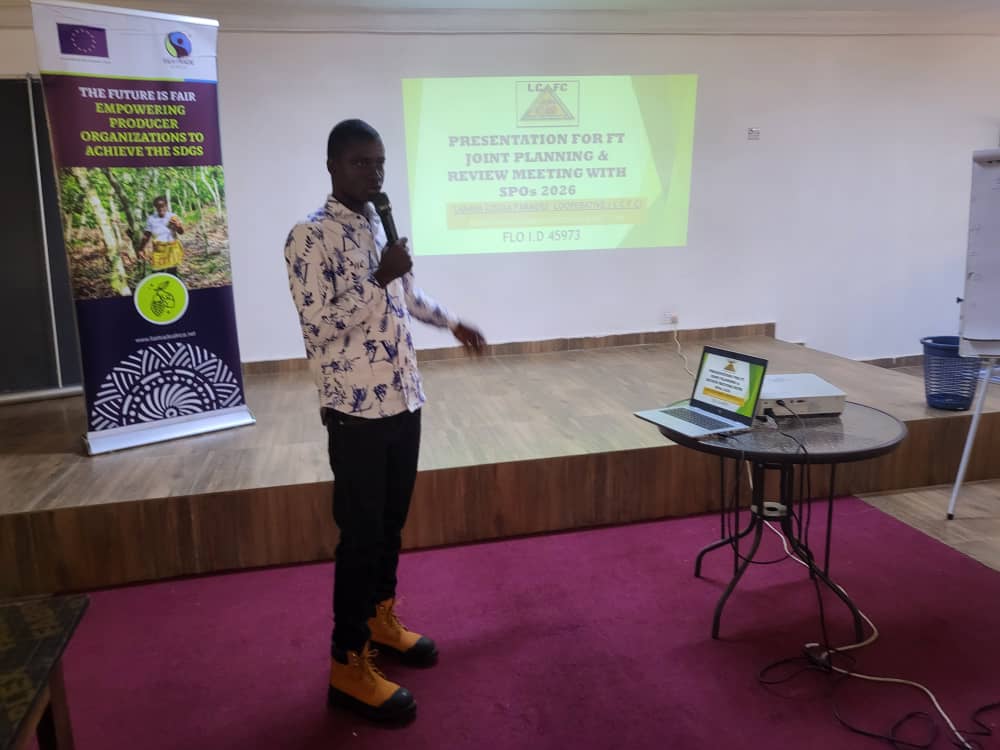
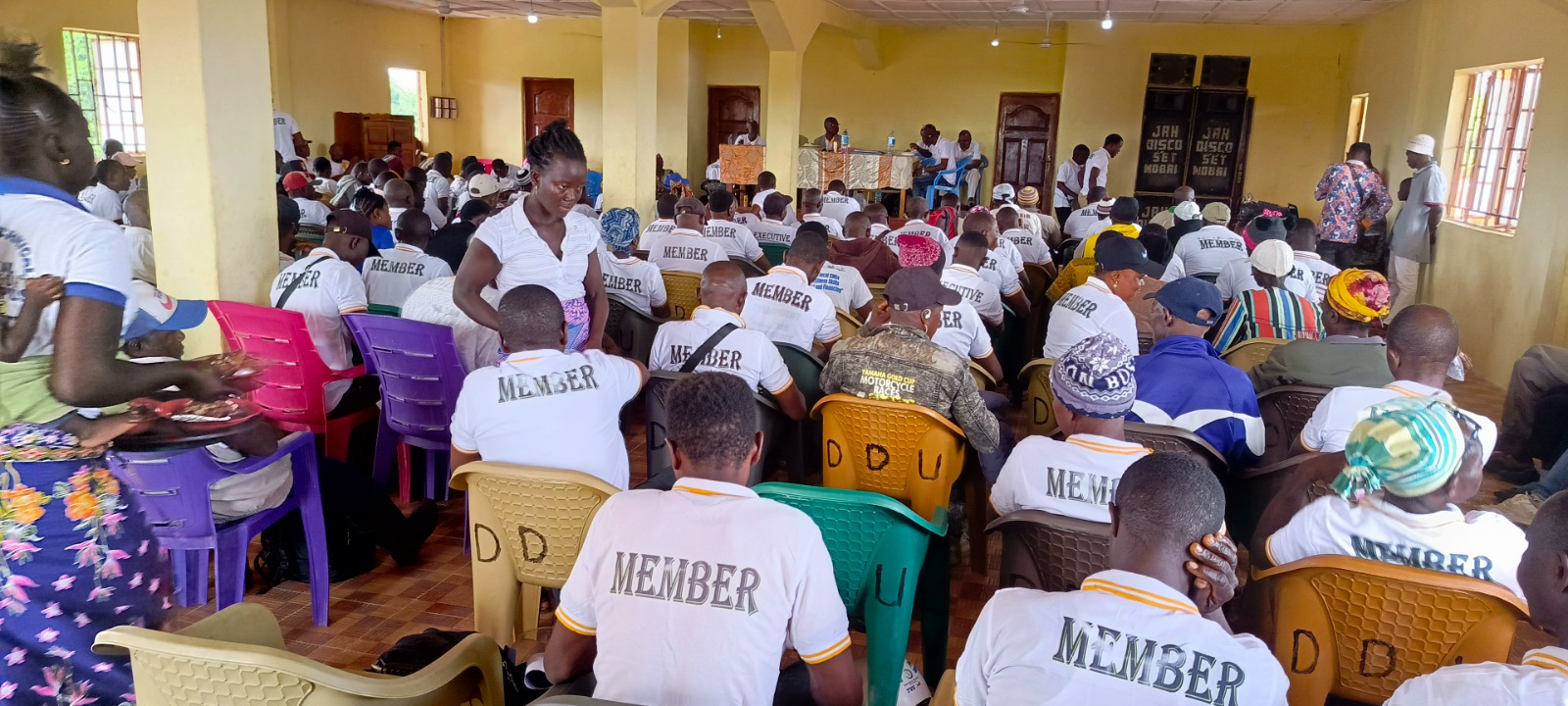
Planning meetings, member engagement, and structured leadership support responsible delivery of cooperative activities.
The source materials position honesty as a core business value in buyer and member relationships.
Multiple certification lines strengthen confidence for export-oriented cocoa sourcing.
Training, block farm support, and field coordination are geared toward stronger production performance.
Lanaya's public identity is strongly tied to certification, compliance, and export-oriented buyer confidence.
Fairtrade certificate activity and focus audits remain part of the cooperative compliance profile.
Organic certification and renewal are highlighted in the supplied planning and status materials.
Additional market-facing certification alignment supports premium cocoa positioning.
ROC is repeatedly referenced as part of the cooperative certification journey.
The cooperative documents training, mapping, infrastructure, meetings, and field mobility as evidence of recent delivery.
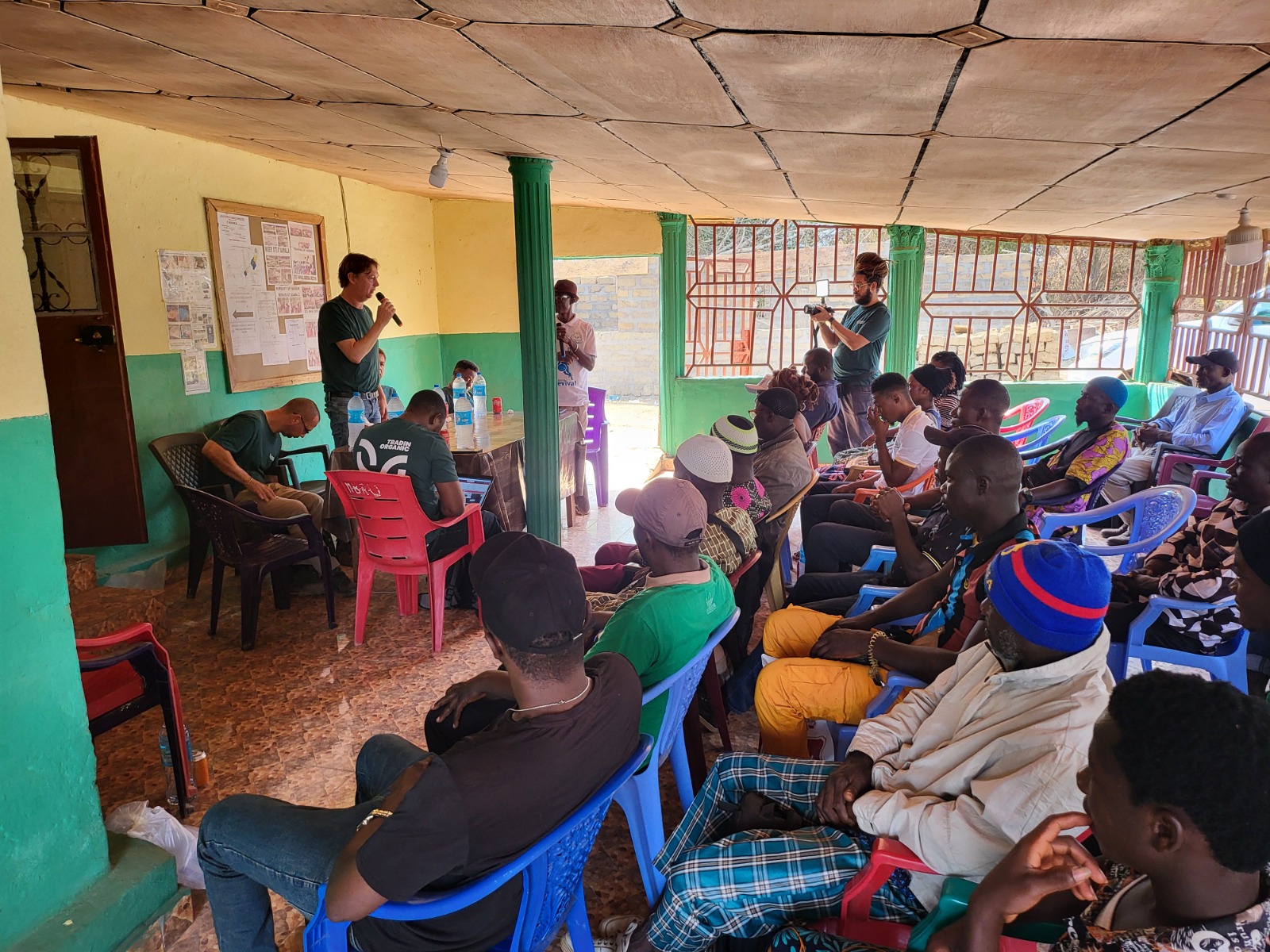
Training on certification standards, contamination control, and good agricultural practices remained a major operational focus.
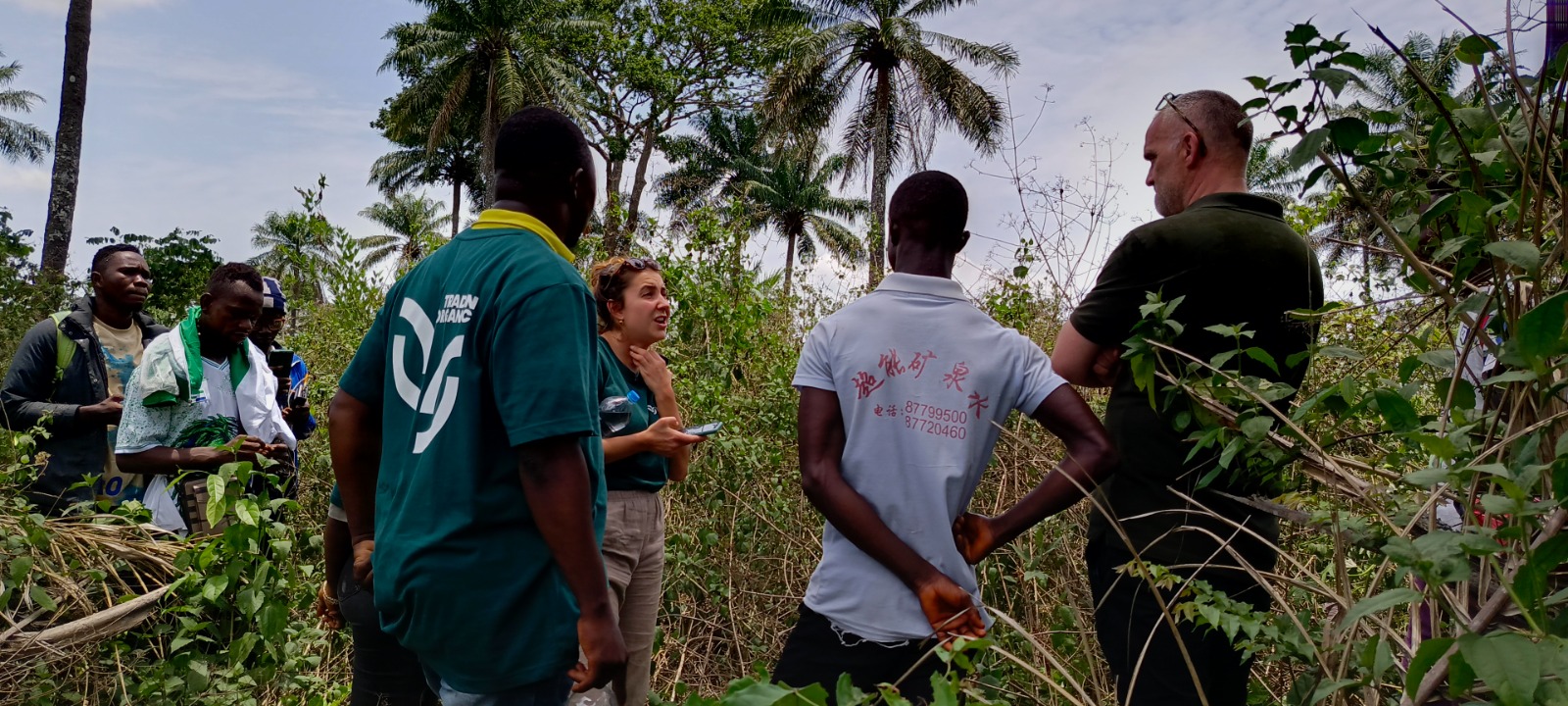
The cooperative reports strong progress on member mapping and geolocation support with sector partners.
Infrastructure delivery in operational areas is part of the practical support highlighted in the presentations.
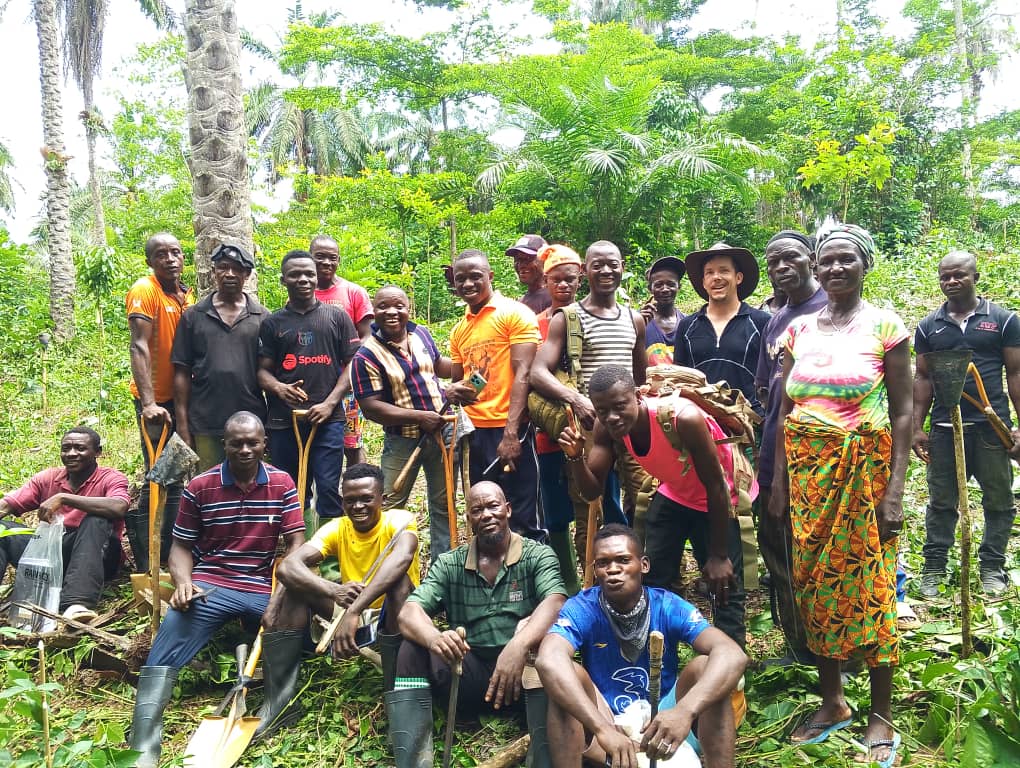
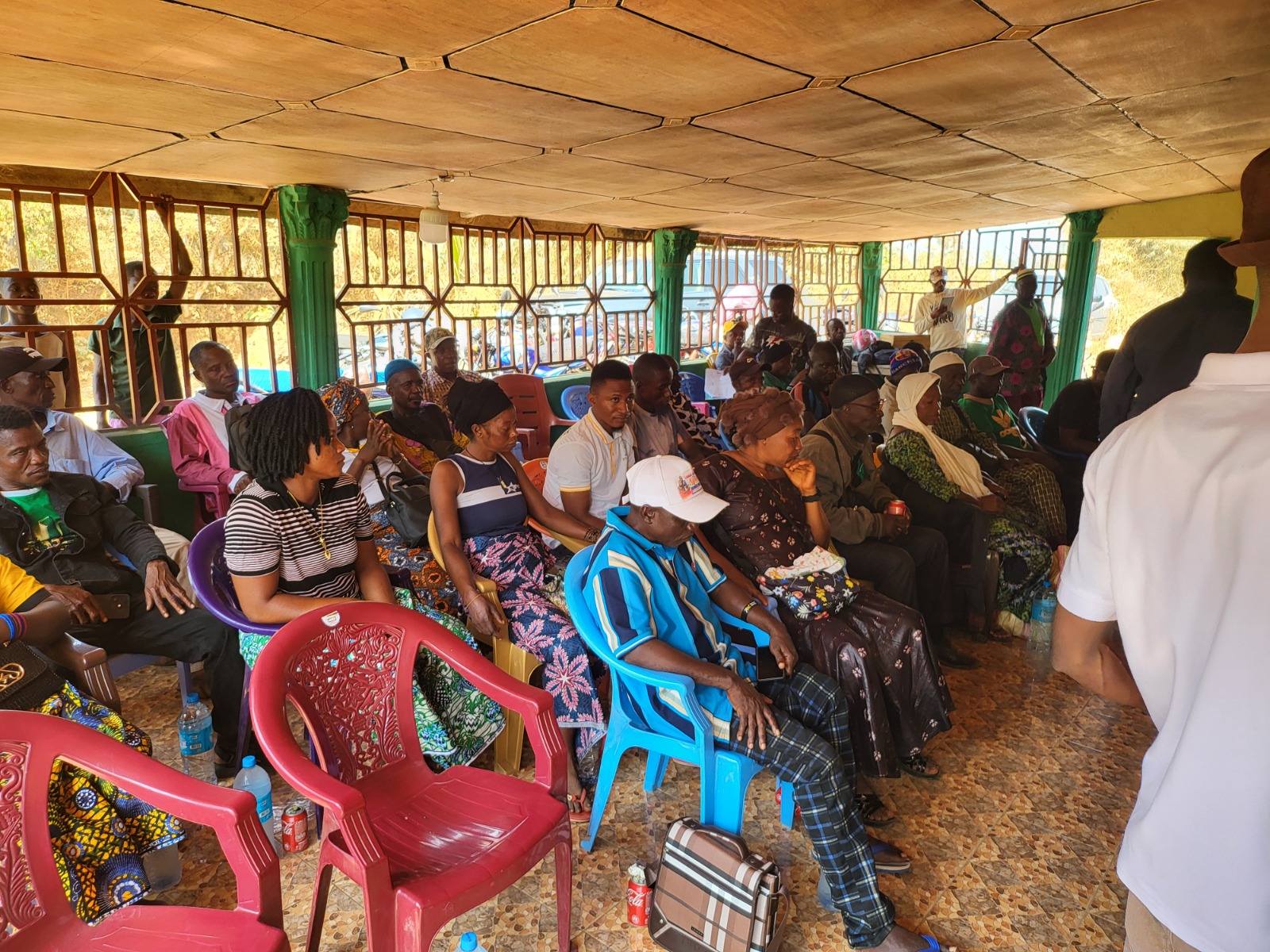
Annual general meetings and regular engagement continue to support accountability and awareness.
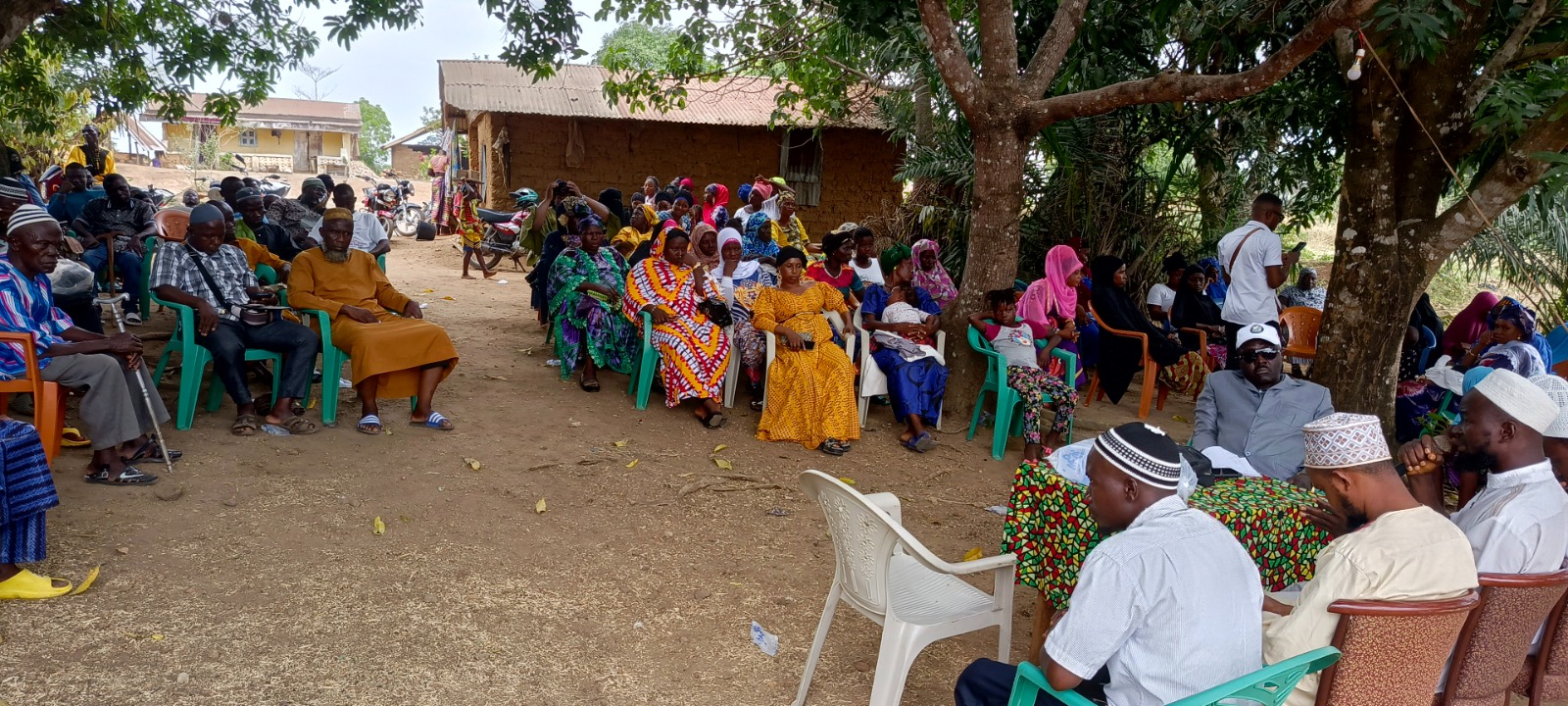
Lanaya is documenting evidence around facility improvement and ongoing cooperative development works.
Vehicles, motorbikes, and field coordination support cooperative sourcing and inspection work.
Rapid price deflection in the market affected delivery of planned activities.
Organic, Fairtrade, and regenerative certification expenses remain a major operational burden.
Late premium payments limited cash available for implementing parts of the development plan.
Mapping participation, contamination risks, and demand for support materials remain active field challenges.
Loading…